


1在您的专业清洁业务中使用臭氧水在您的专业清洁业务中使用臭氧水
2026.05.07Since the beginning of the COVID-19 outbreak, 75% alcohol or isopropyl alcohol spray has been one of our best friends for sanitizing our hands after handwashing. It effectively kills viruses by breaking the cell wall and eliminating the threat. Similarly, ozonated water can serve many of the same functions. It is used in hospitals and dentist offices, as well as in the food industry — for disinfecting water and surfaces. Thanks to ozone’s efficient oxidizing rate, it works in seconds and leaves behind no chemical residues.
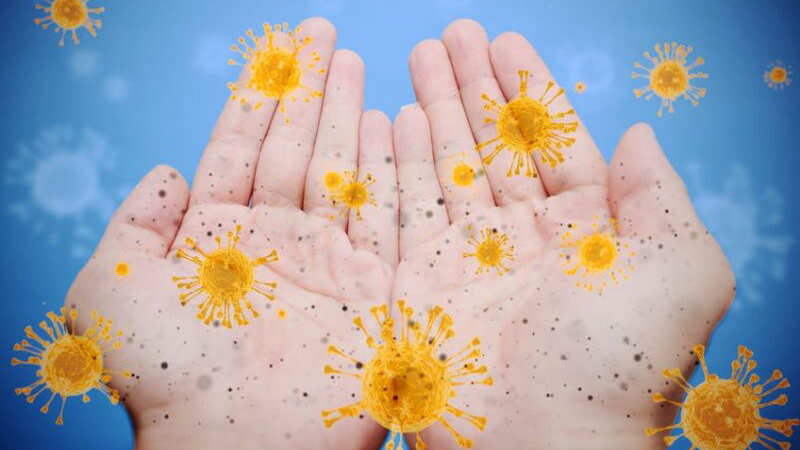
This makes ozone spray a great choice for disinfection in spaces that are prone to be hotbeds for bacteria and viruses. Some of these are hospitals and nursing homes, bottling plants, and central kitchens. Thanks to the molecular reactivity of ozone and its ability to quickly bond with other molecules, ozone spray is a powerful and safe disinfectant. Ozone oxidizing particles will neutralize biological matter, such as bacteria or viruses. This makes it an effective disinfectant, and incredibly potent when it is infused in water.
Ozone spray does not affect the pH levels of target surfaces and doesn’t create any chemical byproducts after use. This means that it leaves behind no odors or abnormal tastes after treatment. In contrast, 75% alcohol sprays will leave behind some residue, and in the case of medical equipment used in the healthcare industry, alcohol sprays leave a pungent odor or taste, damages plastic and leather, and also causes dry skin.

